Skip to content
Sky & Season
← Back to notes

The Fourteen Main Stars

The great lights of your star map

Sky & Season8 min read

I am a quiet observer of the turning sky, and tonight I want to introduce you to its great lights. In the old art of the star map there are fourteen of them. Scattered through the twelve rooms of a life, they give each room its character — the way a fireplace, a window or a long table gives a room its feeling.

Most rooms hold one or two. A few hold none, and borrow the light of the room across from them. None of these lights is simply good or bad: each has a way of shining and a way of casting shadow. Read them as characters you carry, not as fortunes told.

The Keepers of the Centre

Some lights are made to hold a world together — a throne, a granary, a seal and an anvil.

The Pole Star (Zi Wei)

The Pole Star

Zi Wei · 紫微

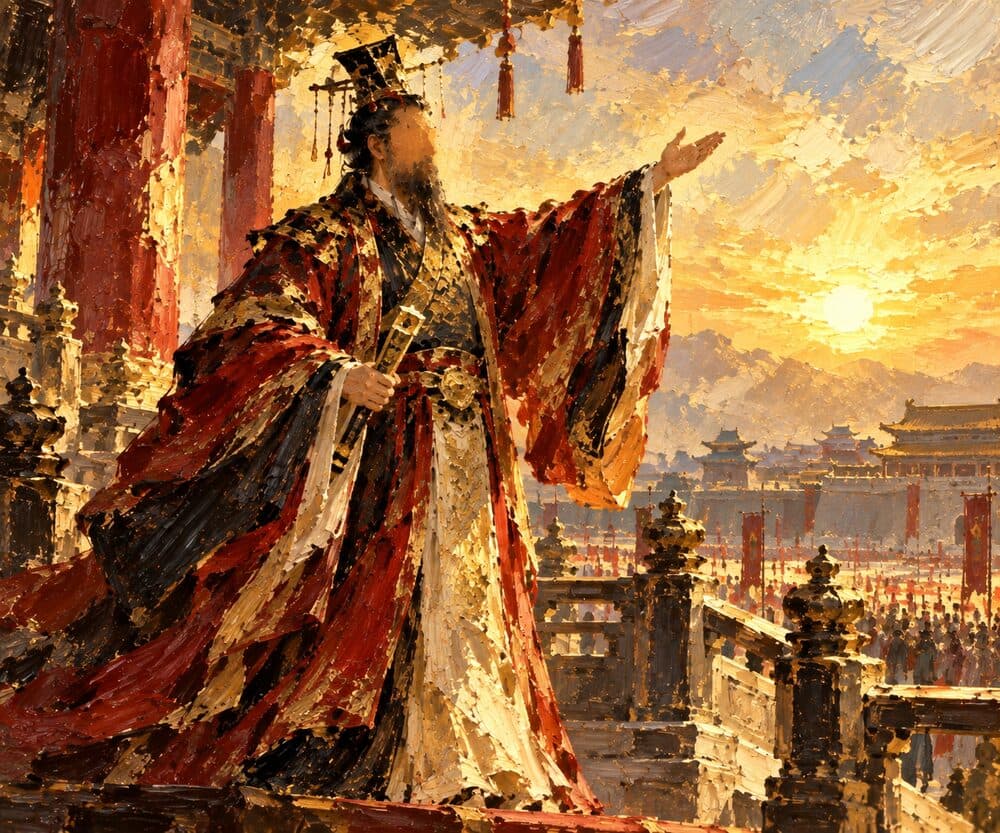
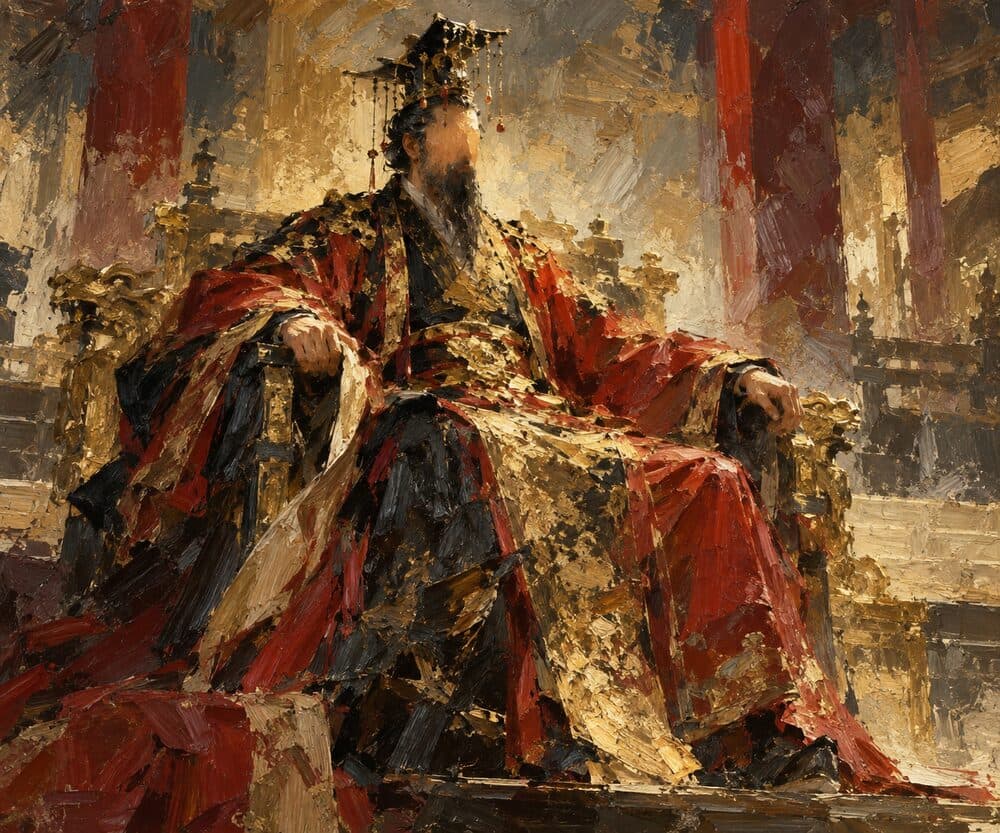
The whole sky turns around one still point, and this is its light. The Pole Star does not chase; it is sought. Where it sits, there is a natural dignity, a wish to hold the centre and to be looked to when the room goes quiet.

Like any sovereign, it shines most with a court beside it — helpers, advisers, friends who tell it the truth. Alone, the same light can turn proud and a little lonely, a crown worn in an empty hall.
The Granary (Tian Fu)

The Granary

Tian Fu · 天府

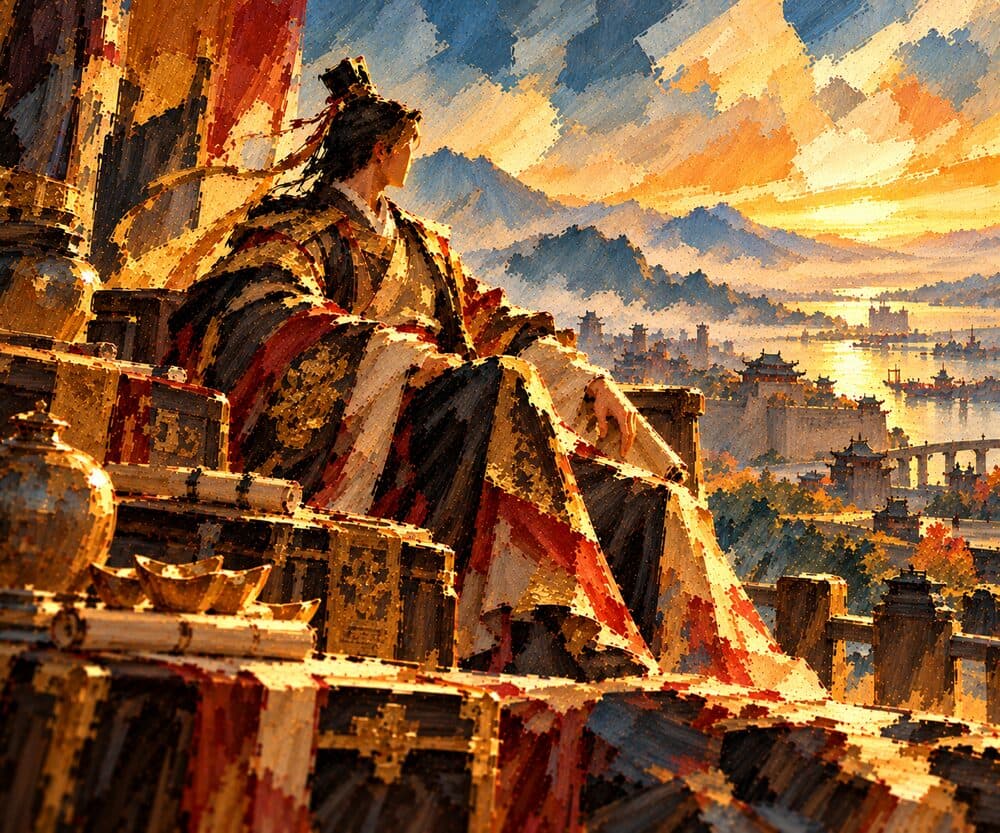
Before the winter comes, someone must fill the stores. The Granary is that quiet foresight: a light that gathers, protects and keeps. Where it sits, you build slowly and well, and people rest easier knowing you are there.

Its only fear is loss, and so it can cling to what is safe a little longer than it should. The full granary is a blessing; the locked granary, a missed spring.

The Seal Keeper (Tian Xiang)

The Seal Keeper

Tian Xiang · 天相

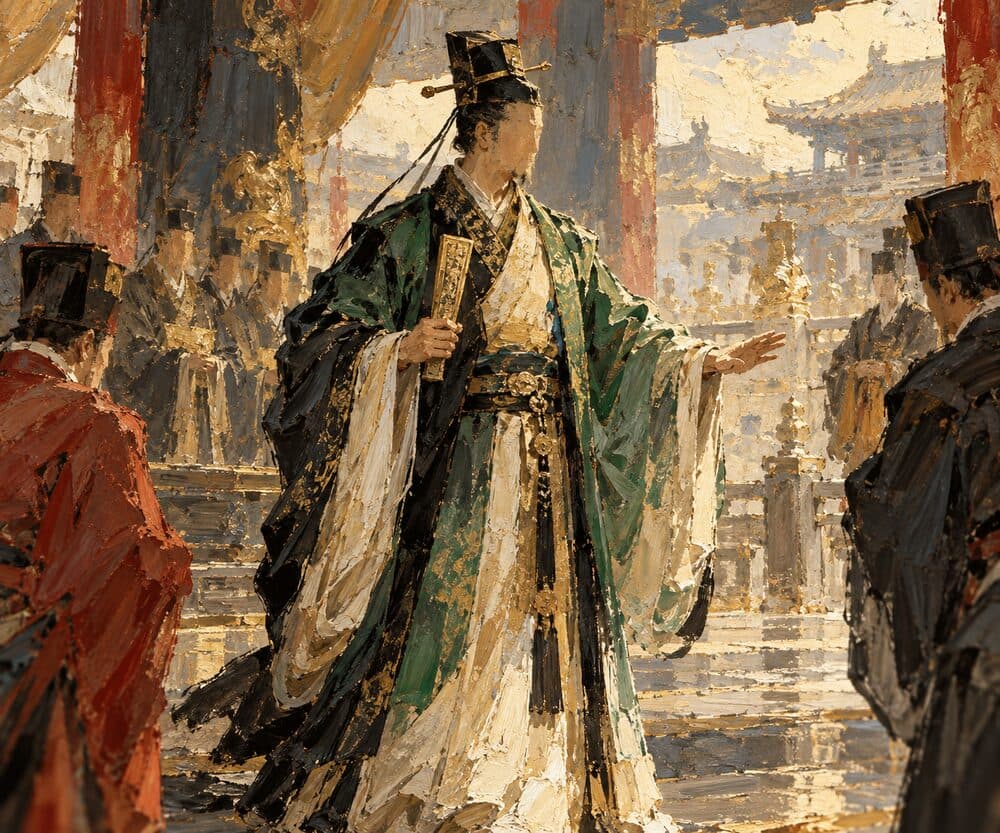
In the old courts, nothing became real until it was sealed. The Seal Keeper is the light of fairness and good form — the one trusted to make agreements, keep promises and bring two sides to terms.

It takes on the colour of the lights around it, like a minister serving different kings. Beside kind lights it is gracious; beside harsh ones it must learn to make the hard call it would rather avoid.

The Anvil (Wu Qu)

The Anvil

Wu Qu · 武曲

Iron becomes a blade only on the anvil, under patient, heavy blows. This is the light of resolve and of resources: practical, direct and unafraid of hard work. Where it sits, things get done, and money learns to obey.

The anvil does not flinch — and sometimes forgets to soften. Its lesson is that warmth is not weakness, and that the people beside you are not only there to be useful.

The Gentle Minds

Four quieter lights — one that thinks, one that feels, one that soothes and one that shelters.

The Cartographer (Tian Ji)

The Cartographer

Tian Ji · 天机

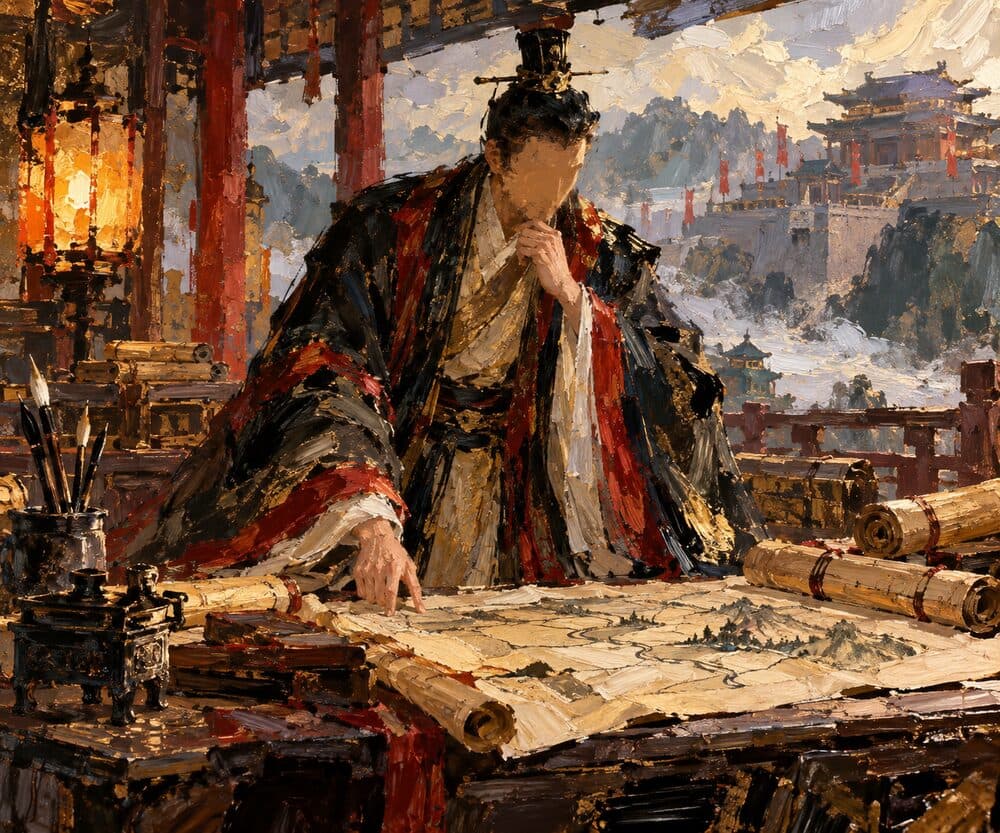
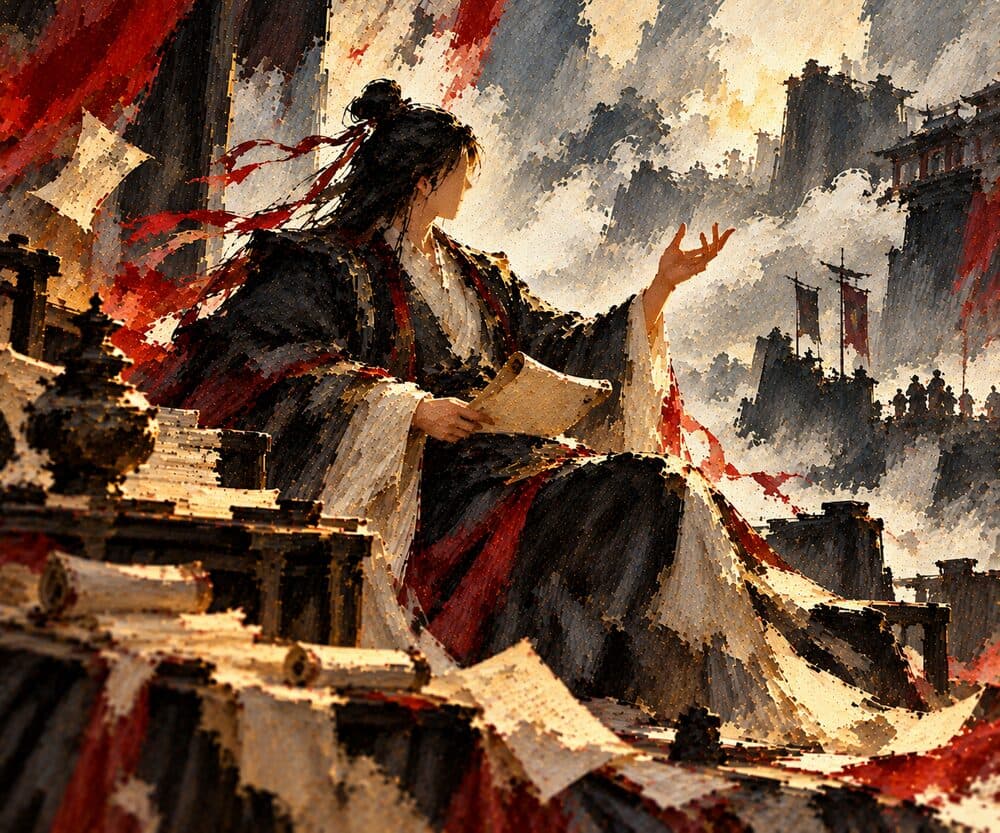
Every journey begins on paper. The Cartographer is the restless, brilliant mind that maps each road before it walks one — seeing patterns, weighing routes, adjusting the plan the moment the land shifts.

Its gift is foresight; its shadow is the map that is never finished. Sometimes the only way to know the road is to take one step on it.

The Quiet Moon (Tai Yin)

The Quiet Moon

Tai Yin · 太阴

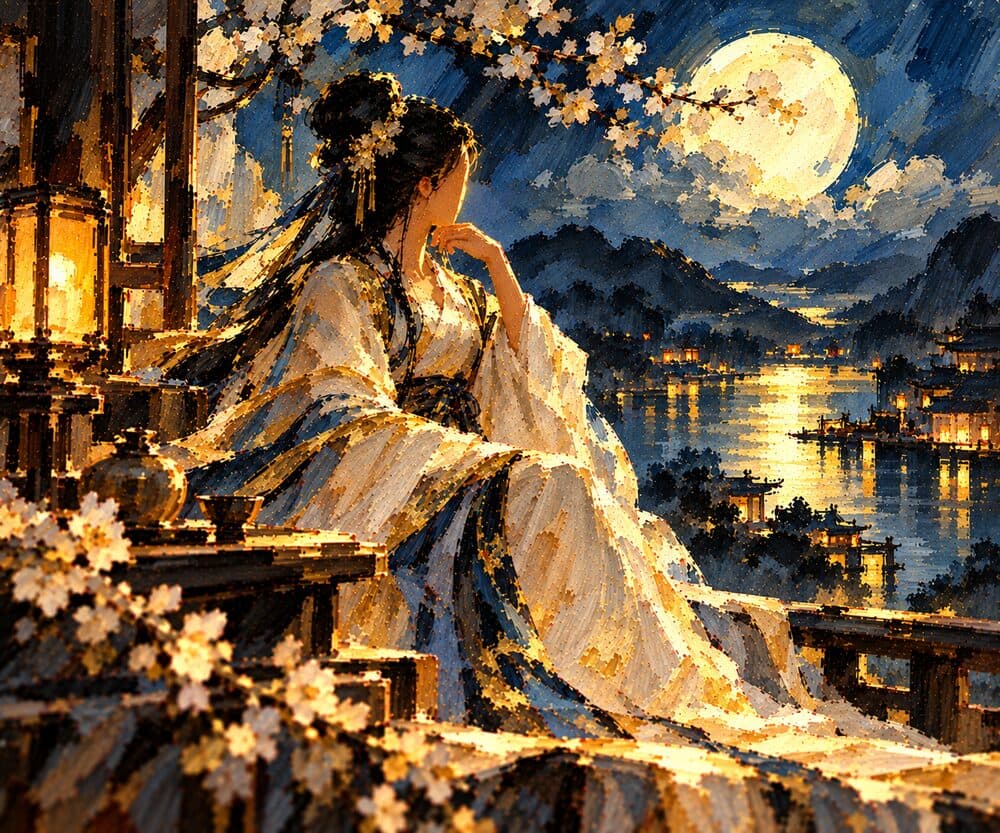
The moon gives no heat, only a soft, silver seeing. The Quiet Moon is the light of intuition and inner life: it feels a room before it enters it, and it cares in ways that are rarely announced.

It loves beauty, home and a sense of safety, and it moves in tides — full and generous, then withdrawn. Its growth is in letting its feelings be seen, not only sensed.

The Harbour (Tian Tong)

The Harbour

Tian Tong · 天同

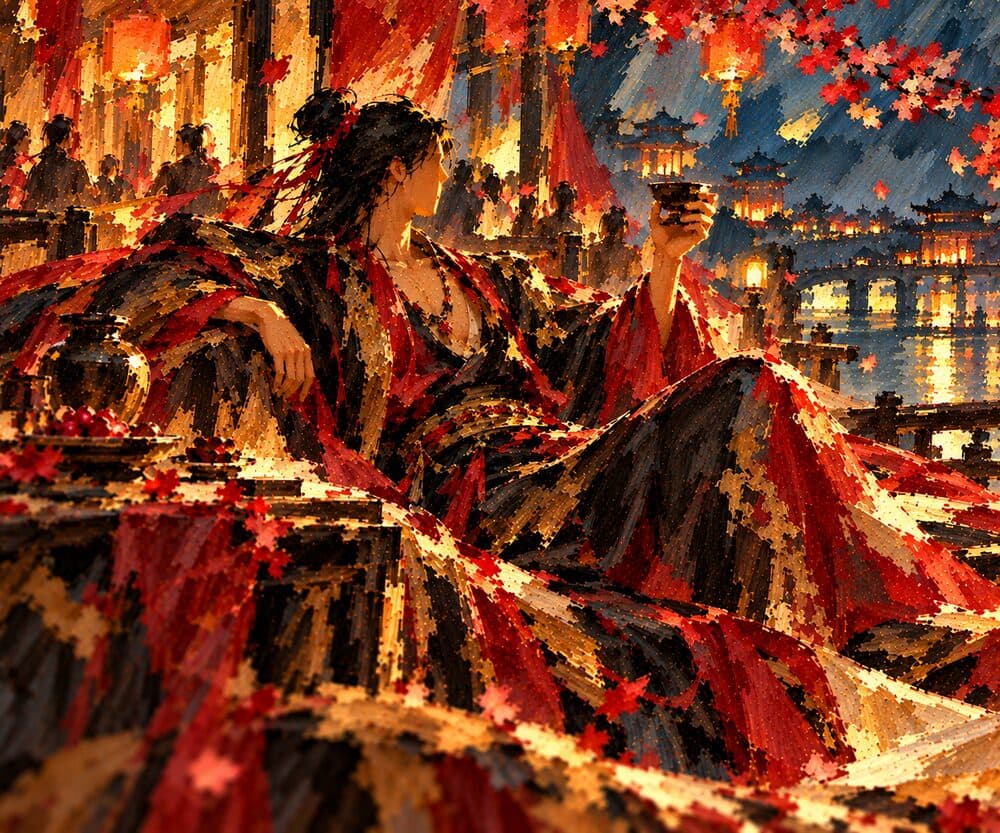
After the storm there is a harbour, still water and lanterns on the pier. This is the light of ease and gentle joy — the friend who makes you feel at home, the part of us that knows how to rest.

The old books say it often finds its peace after early difficulty, as if it has to know the storm to value the shelter. Its only danger is drifting: calm water is lovely, but ships are made to sail.

The Old Banyan (Tian Liang)

The Old Banyan

Tian Liang · 天梁

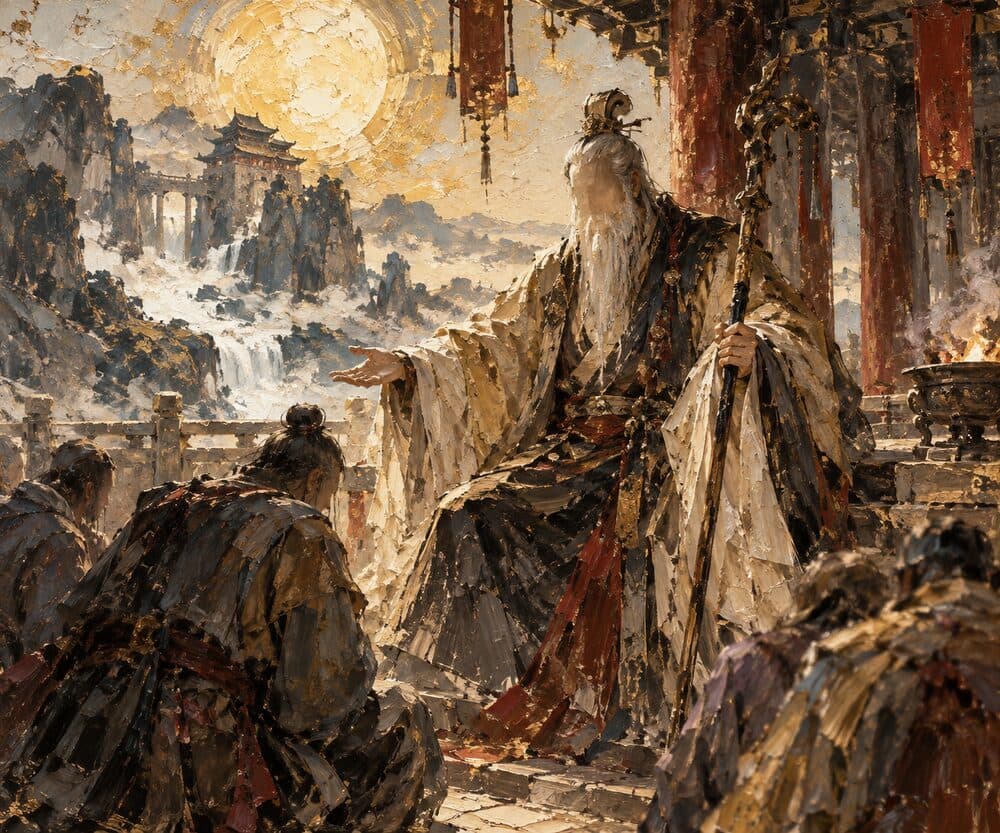
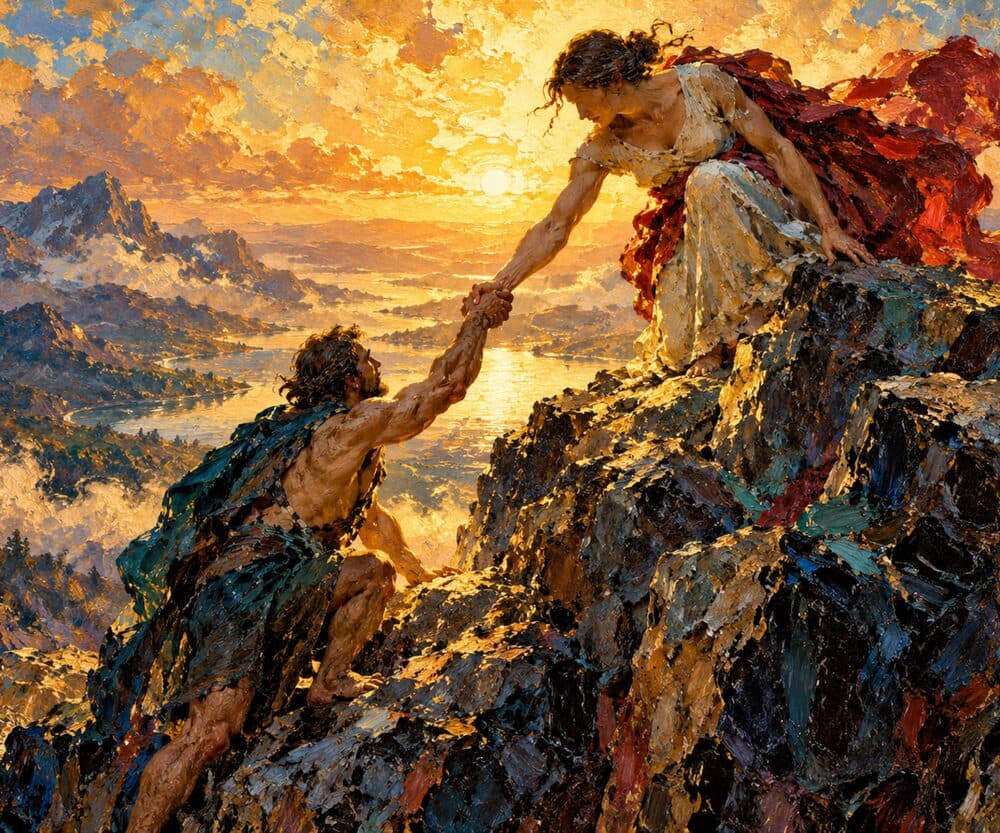
In many villages there is one great banyan tree, and everyone ends up beneath it — to rest, to talk, to be advised. The Old Banyan is the light of the elder: protective, principled, calm in the face of trouble.

It has a rare gift for turning misfortune into a lesson and a lesson into shelter for others. It must only remember that a tree’s shade can also keep young things from the sun they need to grow.

The Voices and the Fire

Three lights that shine, speak and burn — the ones people notice first when you walk into a room.

The Beacon (Tai Yang)

The Beacon

Tai Yang · 太阳

A lighthouse does not ask who needs it. The Beacon is the light of generosity and visibility: it gives itself away so others can find their path, and it is happiest when it is useful and seen.

Like the sun, it is strongest by day. Its lesson is to keep a little of its fire for itself — a beacon that burns out lights no one home.

The Whispering Gate (Ju Men)

The Whispering Gate

Ju Men · 巨门

Every truth passes through a gate, and at the gate someone whispers a question. This is the light of the searching mind and the gifted tongue — the investigator, the debater, the one who notices what does not add up.

Words are its power and its risk: the same voice that uncovers the truth can stir a quarrel or feed a doubt. When it speaks from the light, few can match it.

The Thorned Rose (Lian Zhen)

The Thorned Rose

Lian Zhen · 廉贞

A rose is beautiful precisely because it can defend itself. The Thorned Rose is magnetic and complicated — full of principle and full of feeling, drawn to what tests it and fierce about its lines.

It is one of the most passionate lights in the sky. Held by strong values, that passion becomes integrity and charisma; left untended, it tangles. Either way, it is never forgettable.

The Engines of Change

Three restless lights that move a life forward — by courage, by desire and by renewal.

The Vanguard (Qi Sha)

The Vanguard

Qi Sha · 七杀

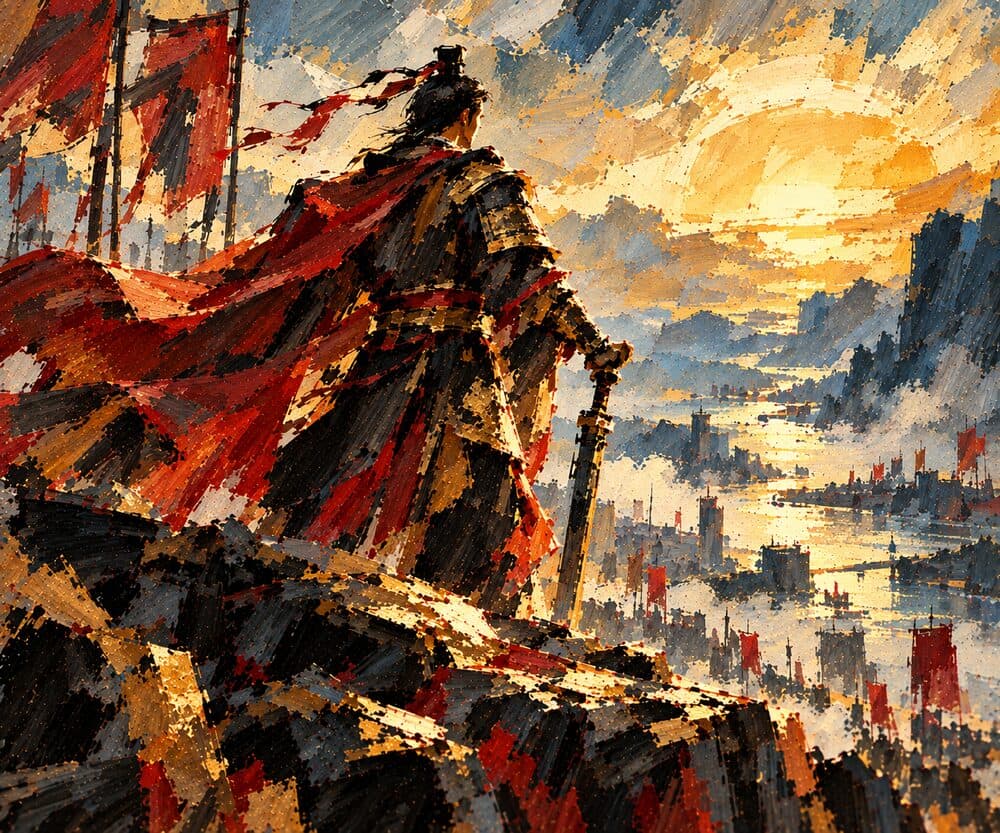
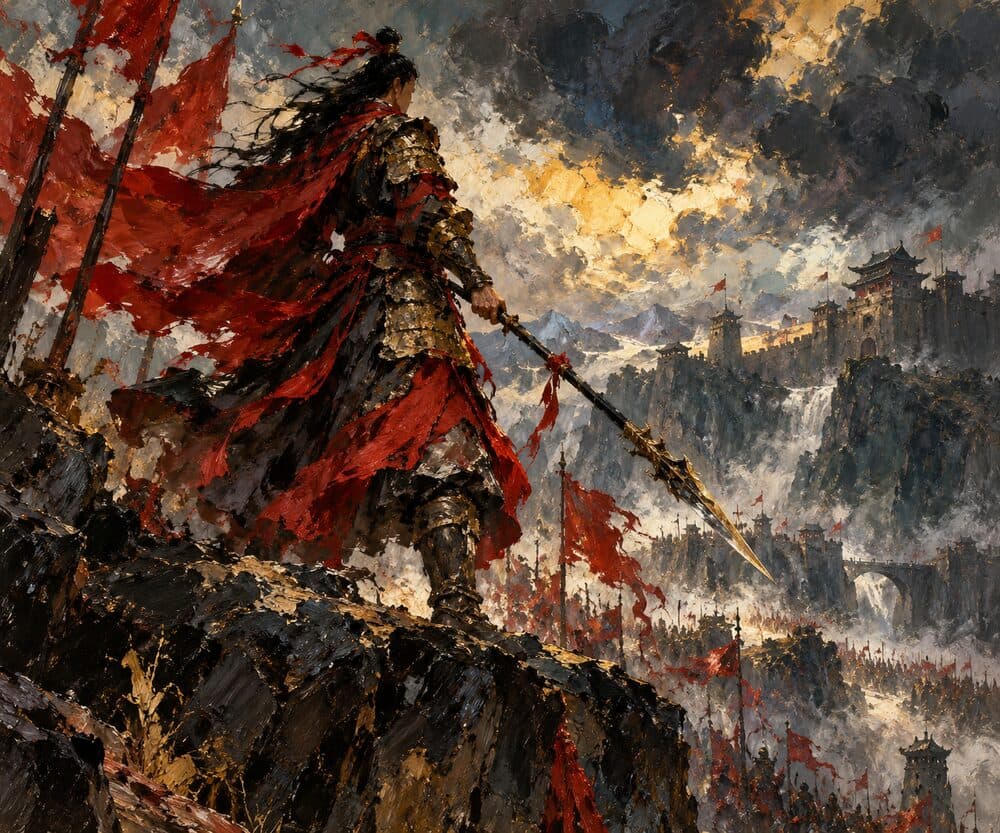
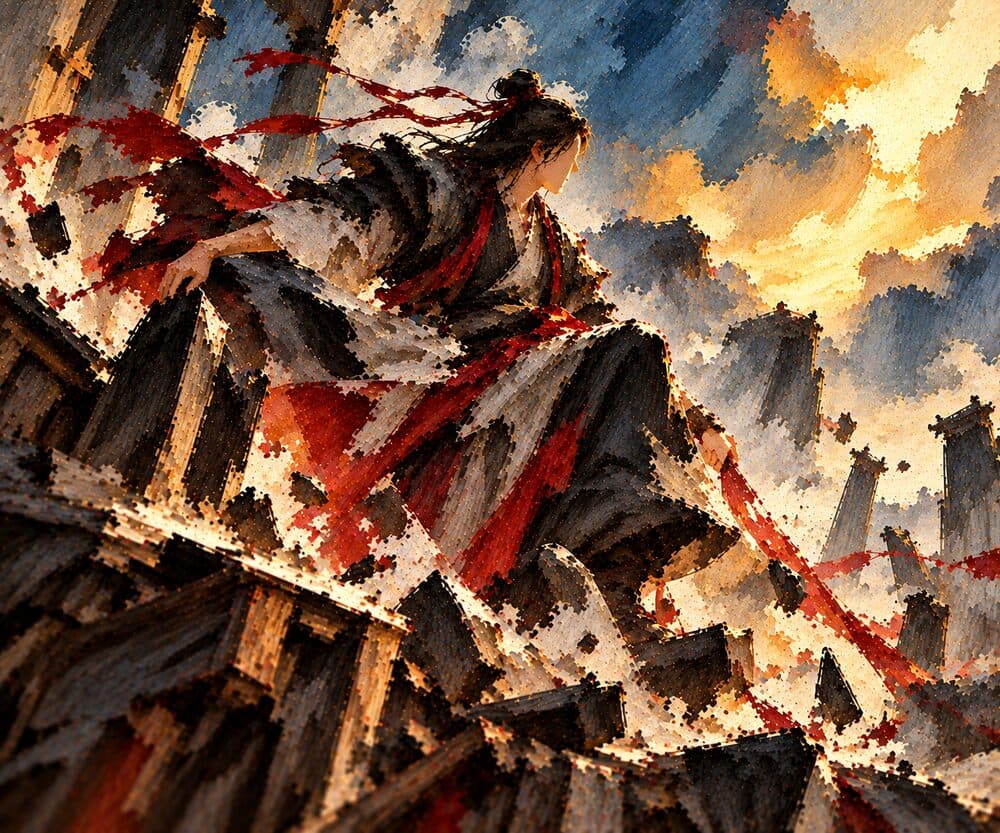
Someone has to go through the gate first. The Vanguard is the light of the lone commander: brave, independent and at its best when the ground is uncertain and a decision must be made now.

It rises through challenge and grows restless without one. Its lesson is patience — to listen for one more moment before the charge, and to rest when the battle is done.

The Dancing Wolf (Tan Lang)

The Dancing Wolf

Tan Lang · 贪狼

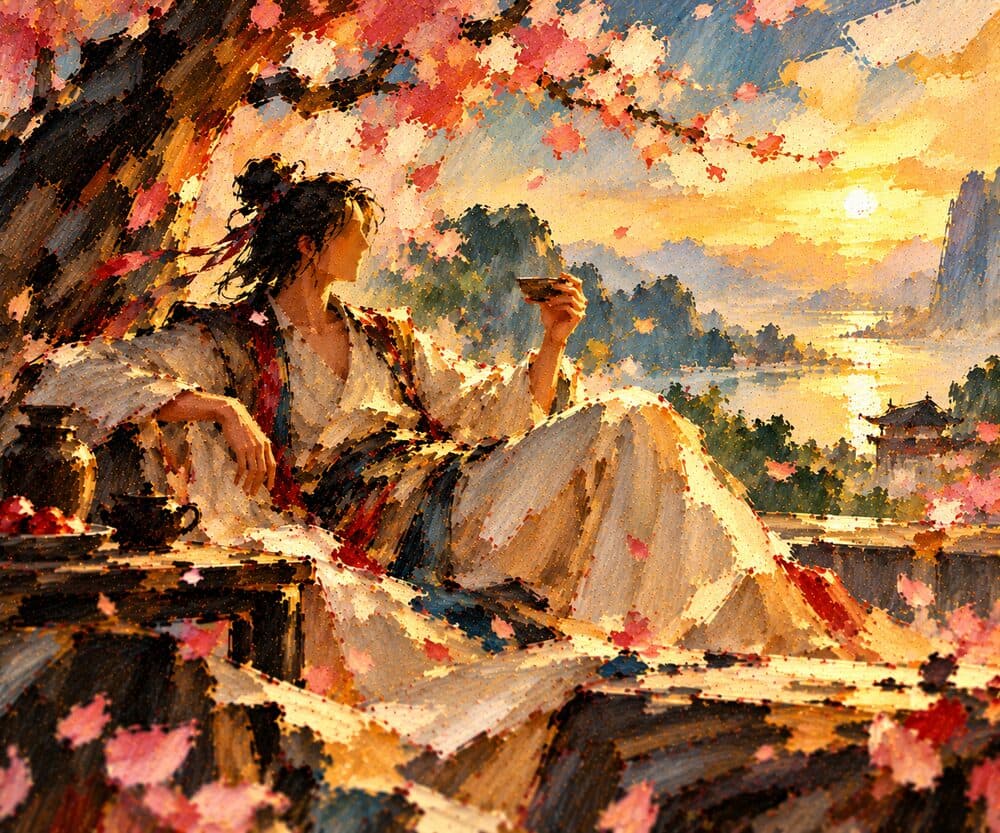
The wolf that dances under the moon wants everything — music, company, beauty, adventure — and is gifted at getting it. This is the light of appetite and charm, of many talents and a very full life.

Desire is its fuel. Pointed at a craft or a calling, it becomes tireless drive; scattered, it chases every new moon. The dancing wolf does best when it knows which song it is dancing to.

The Phoenix (Po Jun)

The Phoenix

Po Jun · 破军

Only what burns can rise again. The Phoenix is the light of breaking and rebuilding — the pioneer who clears away what no longer works so that something new can grow in its place.

It is fearless about beginnings and impatient with anything stale, and so its life is often a series of reinventions. The art for the Phoenix is to know what to burn, and what to carry through the fire.

Of these fourteen lights, which one do you already recognise — in yourself, or in someone you love?

See which archetype sits at the centre of your own chart

Free, private, under a minute.

Birth date

Used to get the right time zone — including old rules like Singapore's UTC+7:30 before 1982.

Used to set the direction of your ten-year cycles and your star map.

Calculated in your browser. Nothing is stored unless you save it.